The process of bringing a new electronic product to life involves numerous behind-the-scenes steps. One of the most critical tasks lies in making the small circuit boards that power today’s devices. Knowing how this process moves from start to finish helps in planning projects with more confidence.
A full-service way of building boards, called “turnkey,” covers everything from the first idea to the final shipment. Skilled PCB design services form the base of this journey. The focus stays on showing how these combined offerings support smooth product development.
Understanding the Turnkey Approach
A turnkey solution means giving the whole board-building job to one team. This single point of contact removes the need to work with many suppliers. It makes communication clear and keeps projects moving without hold-ups.
-
What ‘Turnkey’ Really Means
Turnkey PCB assembly handles everything from finding parts to placing them on the board. The engineers take care of sourcing, assembly, testing, and final packing. This full service lets clients focus on their main goals.
-
Why One Partner Helps
Working with one provider cuts down on back-and-forth between different suppliers. It creates a direct line of contact throughout the project. This simplicity often leads to faster finish times.
-
Who Gains from This Model
New companies bringing fresh ideas to market find excellent value in this approach. Well-known firms also like the reduced management work. Any business looking for a smoother path benefits from turnkey services.
The Journey from Idea to Board
Every board starts as a concept that must turn into a physical product. This change follows a clear path with set steps. Each stage builds on the last to create a reliable final piece.
-
Starting with a Clear Picture
The process begins by stating what the board needs to do. Engineers talk about needs like size, use, and working conditions. This talk shapes the direction for all work that follows.
-
Making the Digital Map
Skilled designers turn needs into detailed computer files. These files show every link and part placement. Care at this stage prevents problems from arising later.
-
Testing the Design Early
Building a small test version proves the layout works before full production. This trial run catches flaws early when they are easy to fix. Quick adjustments save time and money down the road.
Navigating the World of PCB Manufacturing Assembly
Placing components onto a circuit board requires specialised equipment and skilled technicians. The PCB manufacturing assembly process transforms bare boards into fully functional electronic units, making precision and attention to detail essential at every stage.
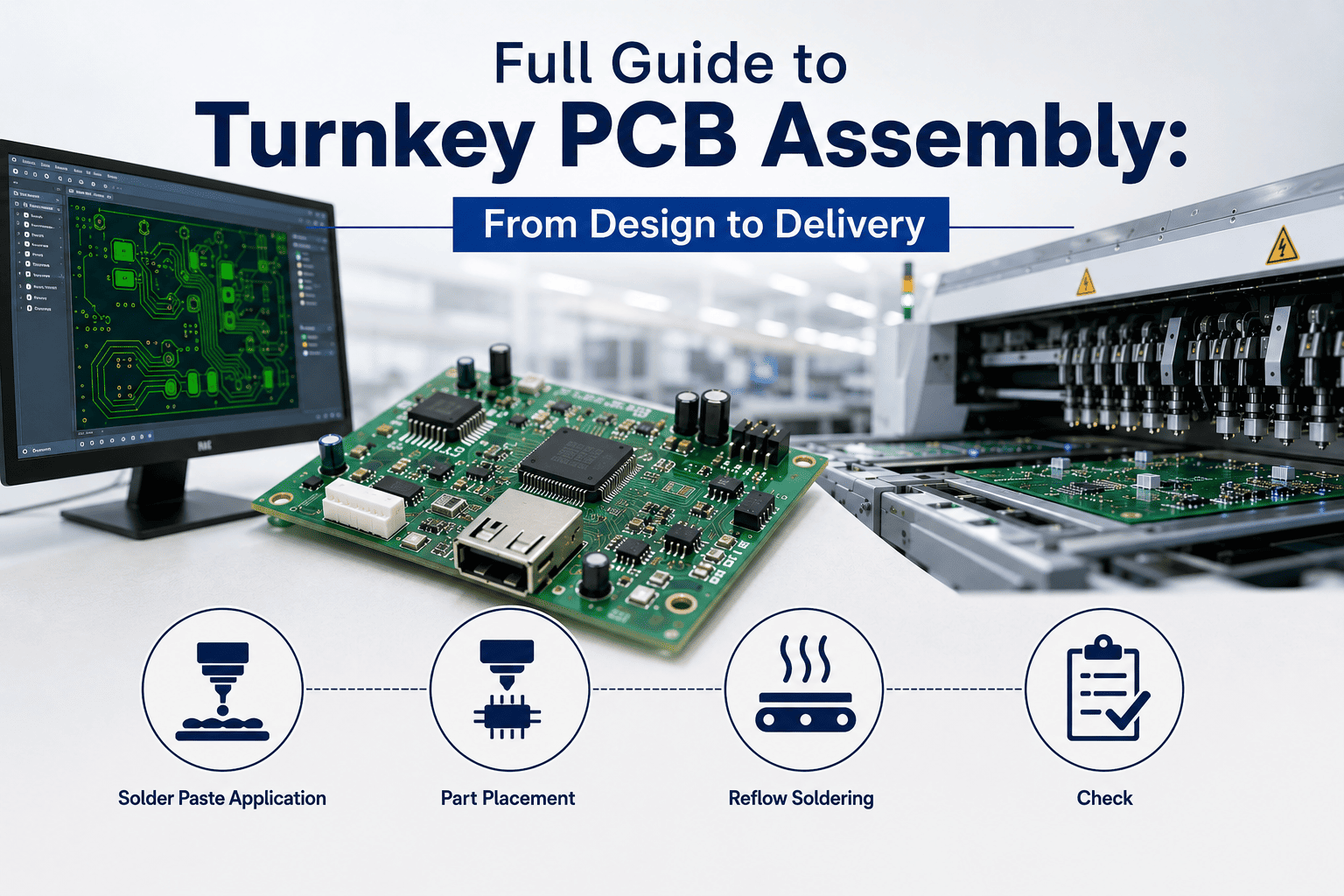
The process begins with preparing the bare boards for component placement. Solder paste is carefully applied to designated areas where components will be mounted, creating the foundation for accurate and reliable assembly.
| Step | What It Does |
| Solder Paste Application | Puts exact amounts of paste where parts will sit. |
| Part Placement | Sets each part exactly as the design files show. |
| Reflow Soldering | Melts the paste to make strong, lasting joints. |
| Check | Look at each joint to confirm proper placement and bonding. |
After these steps, teams run the boards through ovens to form lasting joints. Machines with cameras then scan for any placement errors. This layered method ensures steady quality across every board.
The Role of PCB Design Services
Good design sets the stage for successful making. Skilled PCB design services look at not just how the board works, but also how easy it is to build. This forward thinking stops issues during assembly.
-
Balancing Work and Building
Designers make layouts that work well and also build with ease. They contemplate how parts fit together and how the board will be made. This balance leads to smoother production runs.
-
Planning for Checks
Thoughtful designs include test spots that make checking easier. Engineers build in ways to test performance without complex setups. This forward look speeds up quality checks later.
-
Thinking About Long-Term Use
Design choices affect how boards work over many years. Teams pick materials and layouts that support lasting reliability. This care helps products hold up in real-world use.
Managing the Material Supply Chain
Getting the right parts at the right time keeps projects on track. Teams work with many suppliers to obtain the parts they need. This teamwork stops delays that could slow down production.
-
Finding Real Parts
Using true parts from approved sources keeps quality high. Teams check each part’s source before bringing it into production. This care stops fake or low-quality materials from being used.
-
Buying in Bulk
Turnkey providers purchase parts in large amounts to get better prices. This bulk buying lowers costs and passes savings to the client. It makes high-quality parts more affordable for projects.
-
Planning for Supply
Some parts may take longer to obtain than others. Teams plan to ensure that everything arrives when needed. This forward work keeps production moving without breaks.
Testing and Quality Checks
Before boards leave the workshop, they go through full testing. Checking confirms that each unit works exactly as it should. This review builds trust in the final product.
-
Machine Vision Check
Cameras scan each board to check part placement and solder quality. This machine checks and locates issues that might slip past human eyes. It gives a steady base for quality.
-
Circuit Testing
Special tools check electrical links across the board. This test makes sure each part connects correctly and works. It confirms the board meets design specs.
-
X-Ray for Hidden Layers
Some boards have inner layers that the eyes cannot see. X-ray machines look inside to check hidden solder joints. This deep scan ensures even buried connections are sound.
-
Working Test
Boards get power and run under pretend real-world conditions. This final test makes sure the whole unit works as expected. It provides the final proof of successful assembly.
Understanding Different Service Models
Turnkey services come in different forms to suit varied needs. Some clients want full handling, while others prefer to keep some control. Knowing these choices helps pick the right fit.
- Full turnkey PCB assembly covers every step from design to delivery. The provider handles sourcing, assembly, testing, and shipping. This model works best for firms wanting a single partner for everything.
- Partial turnkey lets clients supply some parts themselves. Businesses may already have certain components in stock. This mix gives more control while still using the provider’s core skills.
- Consignment assembly means the client sends all parts to the provider. The team then builds the boards using only those supplied parts. This option suits firms with strict sourcing needs.
Managing Production Numbers
Projects vary widely in how many boards they need. Some need just a few for testing, while others need thousands. Teams change their steps to suit each number.
- Test runs allow checking and fine-tuning before bigger production. These small batches validate the design and help identify any issues early. They give useful learning without large commitments.
- Low- to mid-number production fits a wide range of projects. Teams set up smooth steps that work well for these amounts. This flexibility supports everything from special gear to everyday goods.
- Growing output when needed lets production keep up with product success. Teams can increase work to match rising demand. This scale supports products as they gain ground.
Handling Complex Assembly Work
Some parts need special care during placement. Fine-pitch parts and ball grid arrays need extra exactness. Skilled workers manage these tough parts.
-
Working with Fine-Pitch Parts
Tightly spaced links demand careful placement and soldering. Teams use special tools to handle these small parts. This skill supports advanced, high-density designs.
-
Managing Ball Grid Arrays
BGA parts have links underneath rather than around the edges. Teams have the tools and skills to place and fix these parts. This know-how allows the use of modern, powerful chips.
-
Fixing When Needed
Sometimes even careful work needs changes. Skilled workers can take off and swap parts as needed. This ability saves boards that might otherwise be thrown away.
Choosing the Right Provider
Picking a trusted partner makes a big difference in project success. A few key factors help separate outstanding providers from the rest. Taking time to evaluate pays off in the long run.
-
Look at Experience
A provider with many years in the field brings proven know-how. Their past work shows how they handle different challenges. Experience often means smoother sailing for new projects.
-
Check Equipment and Tools
Modern machines with automation ensure consistent, high-quality output. Advanced testing gear like X-ray and AOI catches issues early. Well-equipped shops deliver better results.
-
Value Communication and Support
Clear, quick responses signal a partner who values your project. Good support teams solve problems before they grow. Strong communication keeps timelines on track.
Completing the Delivery
The last step involves packing boards safely for their trip. Teams ensure that each unit arrives in the same state it left. This careful finish wraps up the turnkey process.
-
Keeping Safe in Transit
Good packing stops harm from bumps and static electricity. Teams pick materials that suit each board’s specific needs. This care keeps quality through shipping.
-
Giving Clear Records
Each shipment includes clean records that detail what was built. These papers support future work and tracking. They complete the full picture of the project.
-
Ready to Use
Boards arrive ready to be put into their final products. No extra steps or prep work is needed. This ready state speeds up final assembly.
